
Deferred Maintenance in Short-Term Rentals: The Hidden Revenue Leak Most Hosts Overlook
Deferred maintenance in short-term rentals isn’t just an operational inconvenience — it’s one of the most common and costly threats to STR profitability. Unlike obvious line items such as cleaning fees or platform commissions, maintenance issues often erode revenue quietly, over time, until the financial damage is already done.
A small problem that goes unfixed — a dripping faucet, inconsistent Wi-Fi, a struggling HVAC unit — rarely stays small in a high-turnover rental environment. What begins as a minor repair can quickly snowball into canceled reservations, guest refunds, negative reviews, and suppressed rankings that reduce future bookings. The result isn’t just higher repair bills, but lost revenue in vacation rentals that never shows up on a spreadsheet.
For STR hosts and property managers focused on long-term performance, understanding and addressing deferred maintenance is not optional. It’s a core component of short-term rental property management and a critical lever for protecting occupancy, pricing power, and cash flow.
What Is Deferred Maintenance in Short-Term Rentals?
Deferred maintenance refers to postponing necessary repairs or routine upkeep, often with the intention of “handling it later” or waiting until something breaks completely. In short-term rentals, deferred maintenance commonly shows up as:
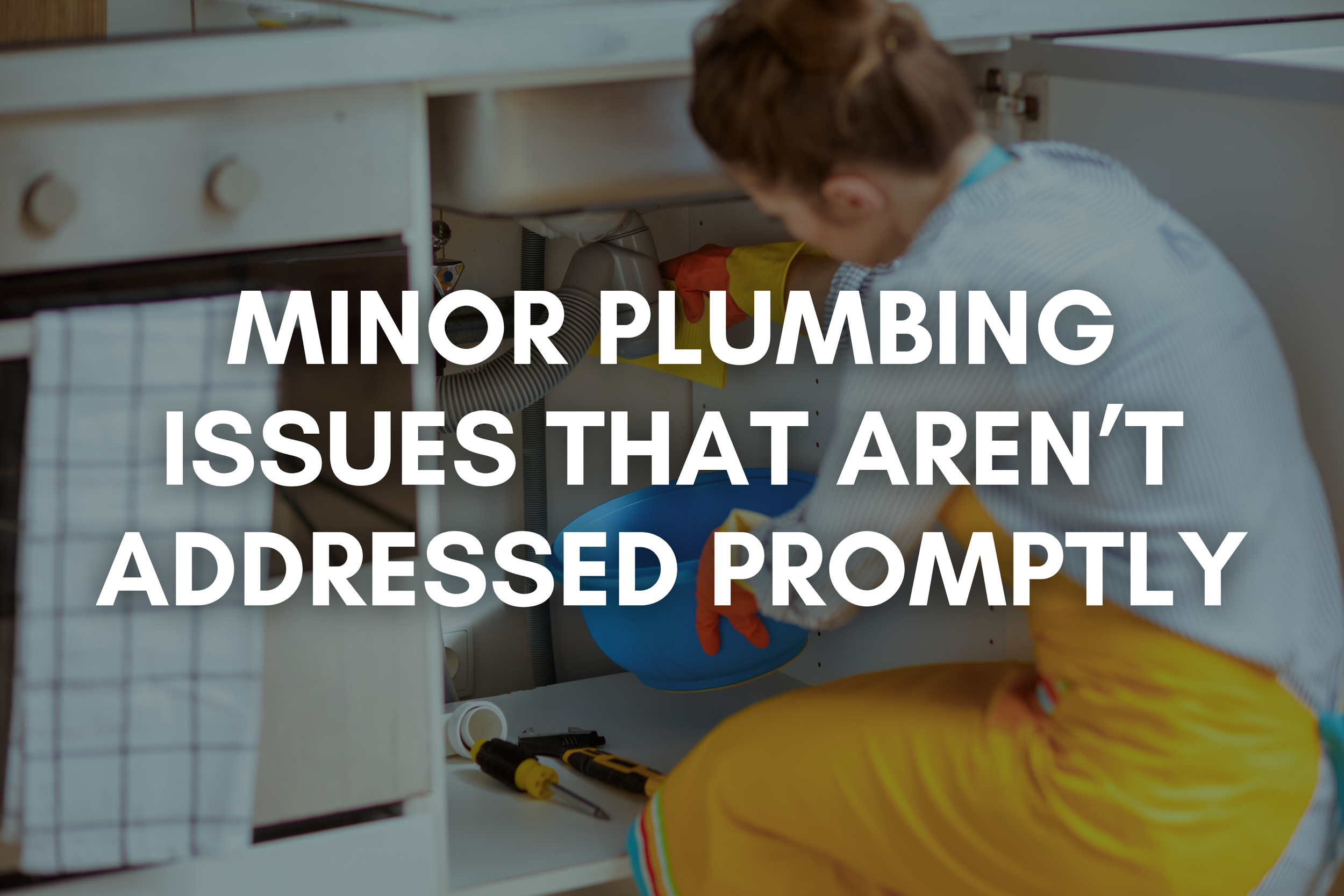
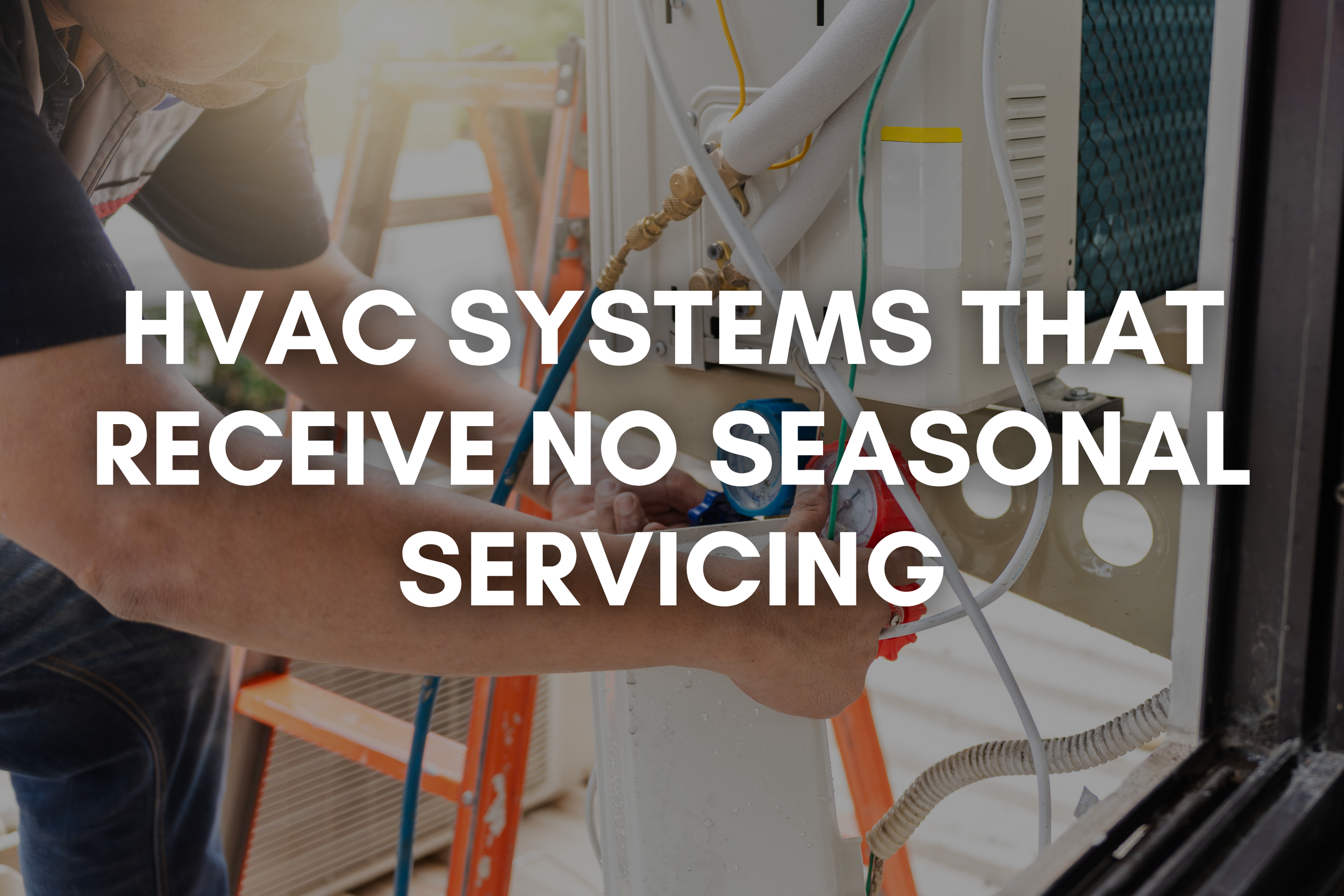
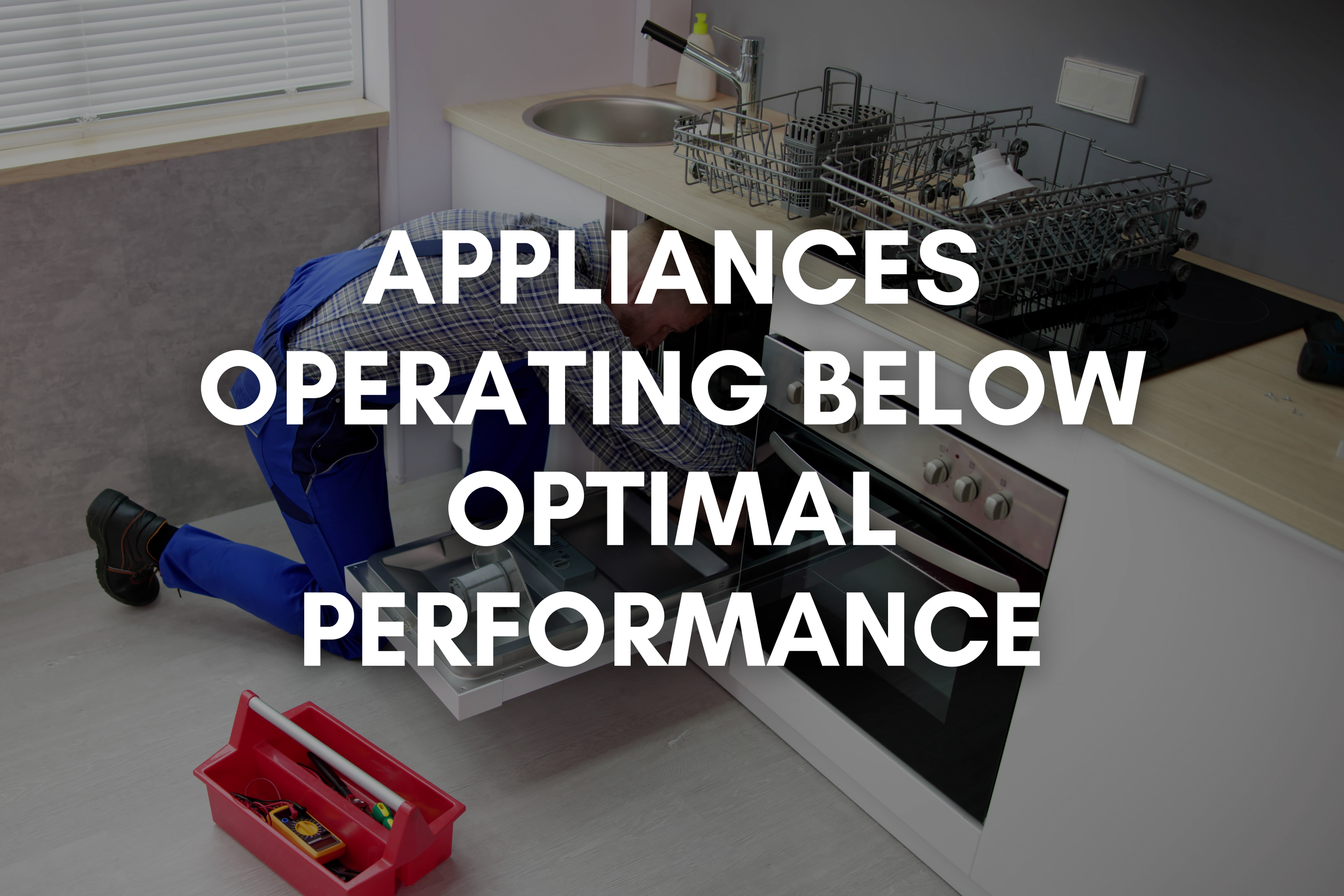
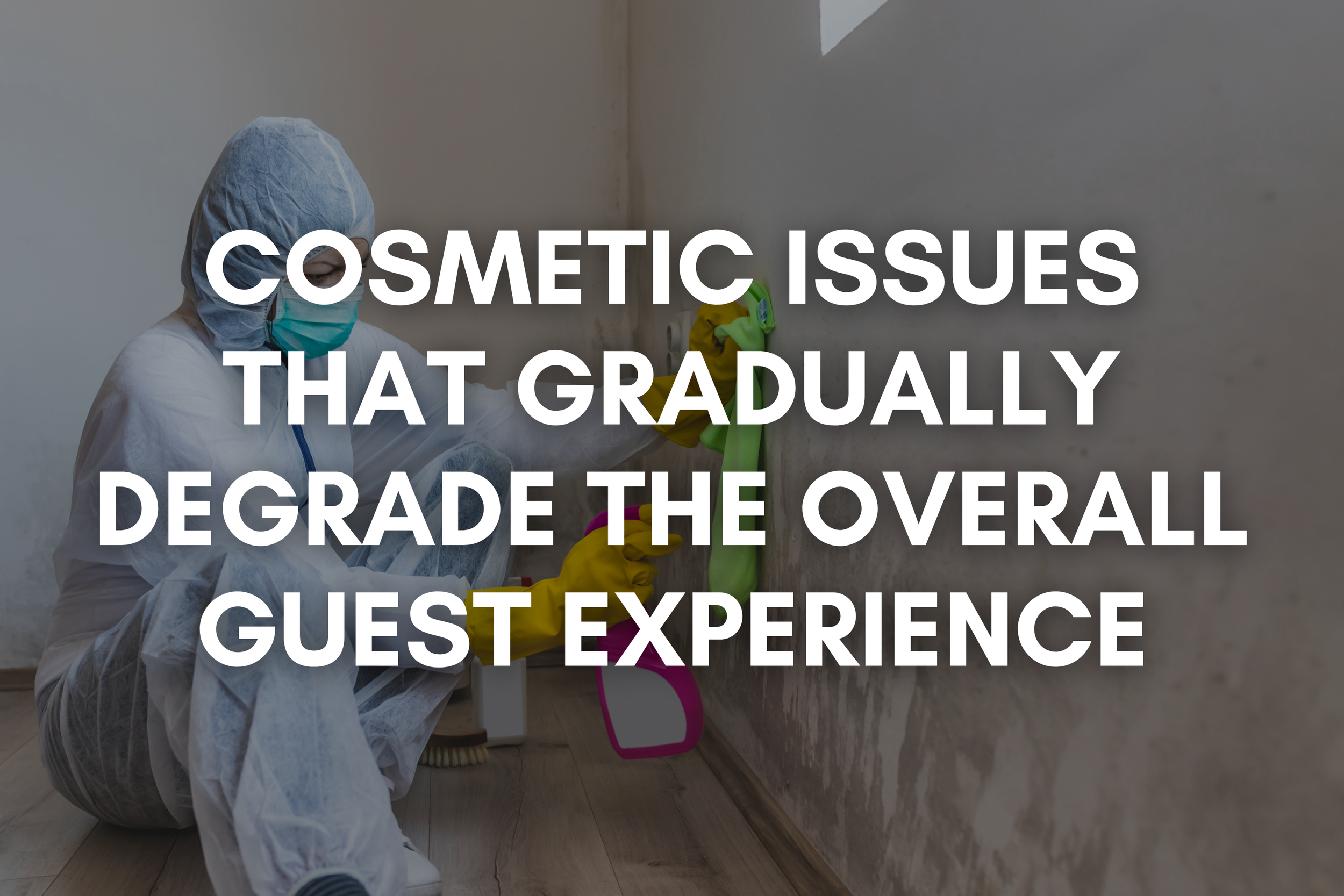
In a long-term rental, tenants may tolerate some of these issues or report them before they escalate. In STRs, however, guests experience the property intensely over a short stay — and they notice everything.
Deferred maintenance in short-term rentals isn’t defined by a single major failure. It’s the accumulation of small, ignored issues that increase STR maintenance costs and elevate operational risk over time.
How Deferred Maintenance Causes Lost Income in STRs
The financial impact of deferred maintenance extends far beyond the cost of the eventual repair. In short-term rentals, maintenance failures disrupt revenue in multiple ways — many of which are difficult to recover.
Cancellations and Rebookings
When a critical system fails — air conditioning in summer, heat in winter, hot water at any time — guests often have no choice but to cancel. Even if you can fix the issue quickly, last-minute cancellations typically result in:
Lost nights that can’t be rebooked
Forced refunds or partial credits
Emergency relocation costs
Unlike hotels, most STRs don’t have backup units to move guests into, making maintenance-related cancellations especially costly.
Refunds and Guest Compensation
Even when guests stay, unresolved issues frequently trigger compensation requests. Common examples include:
Refunds for noise, plumbing, or temperature issues
Discounts for broken amenities or appliances
Platform-mandated payouts to preserve guest satisfaction
These payouts directly reduce net revenue and can quickly exceed the cost of preventive maintenance that would have avoided the issue altogether.
Operational Downtime
Deferred maintenance often leads to unplanned downtime. A burst pipe, electrical failure, or HVAC replacement can take a property offline for days or weeks — particularly if parts or contractors aren’t immediately available.
Every offline night represents lost income in vacation rentals, especially during peak demand periods when replacement bookings are unlikely.
The Long-Term Revenue Impact of Bad Reviews and Ranking Suppression
Perhaps the most damaging consequence of deferred maintenance is the revenue you never realize.

Short-term rental platforms heavily weight guest reviews and issue resolution when determining listing visibility. Maintenance-related complaints often appear in reviews as:
“The property wasn’t well maintained”
“Things kept breaking during our stay”
“Not worth the price”
Even a small dip in average rating can have outsized consequences, including:
Lower search ranking placement
Reduced booking velocity
Pressure to lower nightly rates to remain competitive
This creates a compounding effect. Poor maintenance leads to bad reviews, bad reviews suppress rankings, suppressed rankings reduce demand, and reduced demand lowers revenue — even after the maintenance issue is fixed.
This is why deferred maintenance in short-term rentals is best understood as a reputation risk with long-term financial consequences, not just a repair issue.
Reactive vs Preventive Maintenance: The True Cost Comparison
The difference between reactive and preventive maintenance isn’t theoretical — it’s well documented across facilities management, hospitality, and property operations.
Industry Cost Reality

A widely cited industry consensus shows that reactive repairs typically cost three to four times more than preventive maintenance.
This cost multiplier reflects several factors common to emergency repairs:
After-hours or rush labor premiums
Expedited or limited-supply parts
Secondary damage caused by delayed intervention
Reduced vendor choice during emergencies
In other words, waiting until something breaks doesn’t save money — it multiplies costs.
Why Emergency Repairs Are More Expensive in STRs
In short-term rentals, reactive maintenance is especially costly because:
Repairs must happen immediately to protect guest stays
Vendors know the work is urgent and price accordingly
Temporary fixes are often required before permanent solutions
Property downtime compounds the financial loss
By contrast, preventive maintenance for Airbnb properties allows repairs to be scheduled during low-demand periods, completed at standard rates, and addressed before secondary damage occurs.
Why Short-Term Rentals Are Uniquely Vulnerable to Deferred Maintenance
Deferred maintenance exists in all real estate, but STRs face heightened risk due to the nature of the business.
High Guest Turnover
Frequent check-ins and check-outs mean:
More wear and tear on systems and furnishings
More opportunities for minor issues to escalate
Less time between stays to identify problems
Elevated Guest Expectations

Short-term rental guests expect hotel-level reliability with home-like comfort. Even small failures — weak water pressure, inconsistent Wi-Fi, slow drains — can feel unacceptable at premium nightly rates.
Platform Accountability
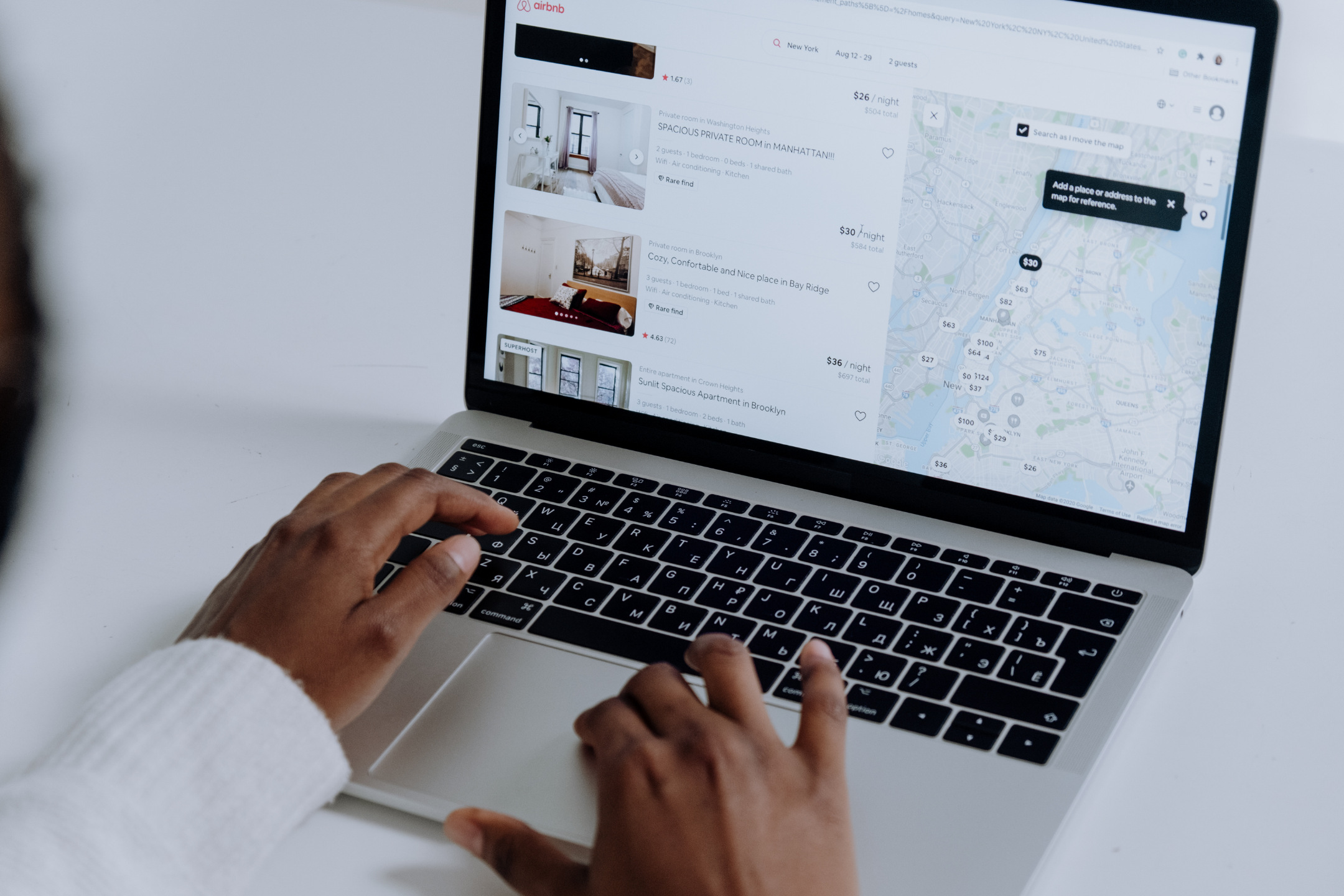
STR platforms track guest complaints, refunds, and issue resolution. Repeated maintenance problems can trigger:
Listing warnings or penalties
Reduced platform trust scores
In extreme cases, listing suspension
No Buffer for Failure
Hotels have redundancy. STRs usually do not. One broken system can take an entire unit offline.
This combination makes deferred maintenance in short-term rentals a much higher-stakes decision than in long-term rental models.
What Preventive Maintenance Looks Like for Short-Term Rentals
Preventive maintenance isn’t complicated — but it must be intentional, consistent, and tailored to STR operations.
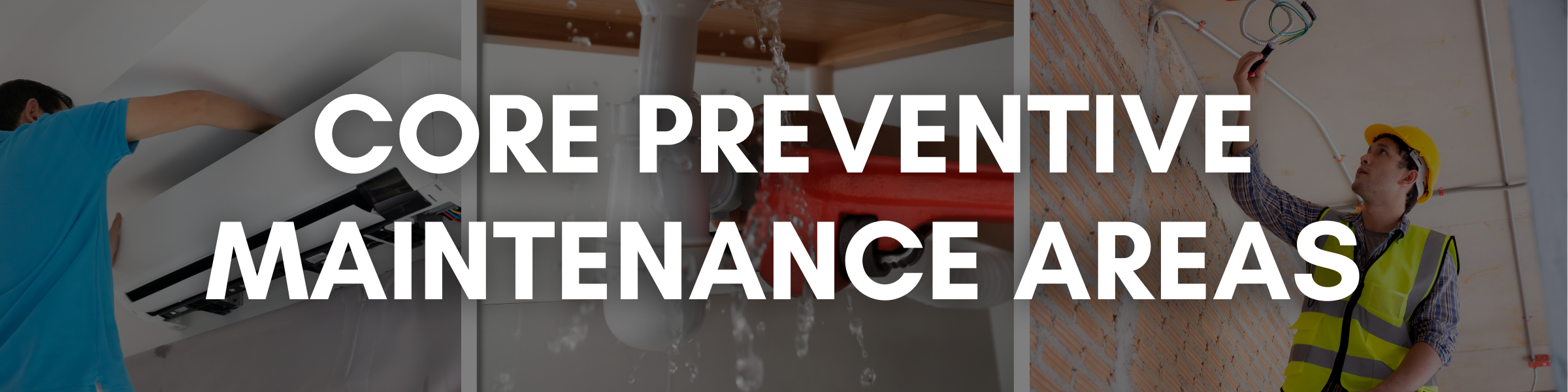
Effective preventive maintenance for Airbnb and vacation rentals typically includes:
HVAC servicing before peak heating and cooling seasons
Plumbing inspections to identify leaks, slow drains, or pressure issues
Electrical checks for outlets, lighting, and safety systems
Appliance inspections to ensure proper performance
Safety equipment testing, including smoke detectors and locks
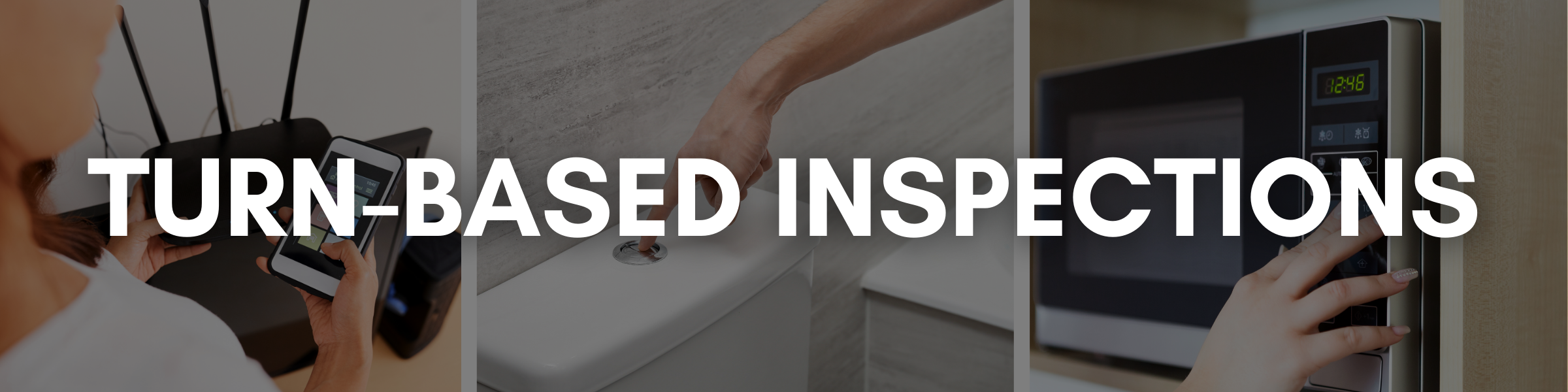
Many STR operators integrate light maintenance checks into turnover routines, such as:
Checking faucets, drains, and toilets
Testing Wi-Fi speed and connectivity
Verifying appliance function
Identifying cosmetic wear before guests notice it
These small checks often catch issues early, when they’re cheapest to fix.
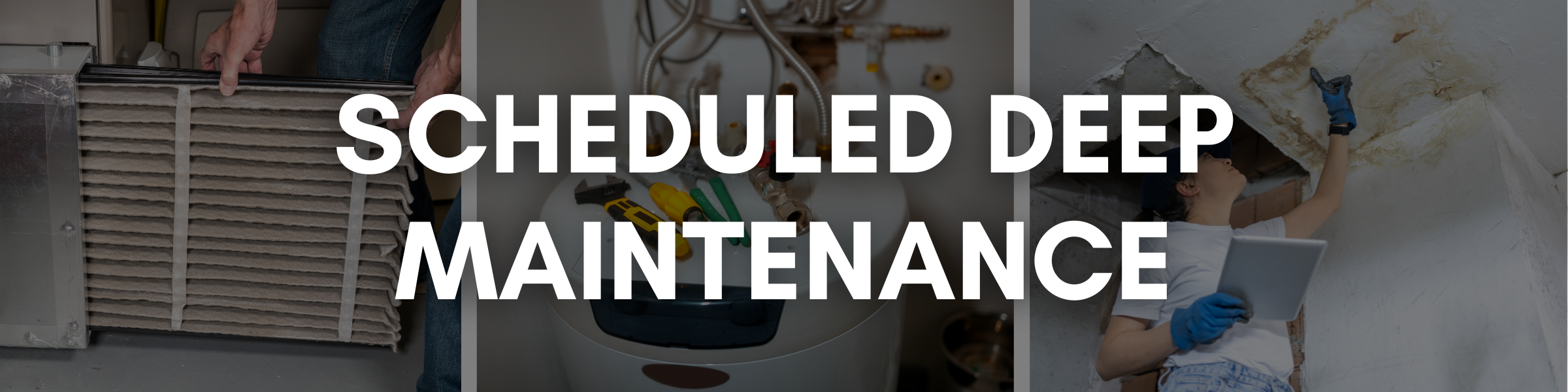
In addition to turnover checks, successful operators schedule quarterly or semi-annual maintenance reviews to address:
HVAC filters and coils
Water heater performance
Exterior wear and weather exposure
High-use furnishings and fixtures
Preventive maintenance is about controlling when and how repairs happen, rather than reacting under pressure.
Preventive Maintenance as a Revenue Protection Strategy
The most successful STR operators don’t view maintenance as an expense — they view it as revenue protection.
Higher Occupancy and Fewer Disruptions
Well-maintained properties experience:
Fewer cancellations
Minimal emergency downtime
More consistent booking calendars
This stability supports higher occupancy rates and predictable cash flow.
Stronger Reviews and Pricing Power
Properties that “just work” earn better reviews. Better reviews lead to:
Higher search visibility
Increased booking confidence
Greater flexibility to raise nightly rates
Lower Long-Term STR Maintenance Costs
While preventive maintenance requires upfront planning, it consistently reduces long-term STR maintenance costs by:
Avoiding emergency premiums
Extending system lifespan
Preventing secondary damage
Over time, preventive maintenance produces a lower total cost of ownership — and a more resilient business.
Conclusion:

Deferred maintenance in short-term rentals is one of the most expensive mistakes hosts and property managers make — not because repairs are unavoidable, but because the timing and consequences of those repairs are entirely preventable.
Every skipped inspection, delayed service call, or ignored minor issue increases the likelihood of emergency repairs, guest disruption, and lost revenue in vacation rentals. Worse, it threatens your online reputation and future earning potential in ways that are difficult to reverse.
Preventive maintenance for Airbnb and STR properties isn’t about perfection. It’s about protecting occupancy, preserving reviews, and stabilizing cash flow in a competitive market. When viewed through that lens, maintenance stops being a cost center and becomes what it truly is: a strategic investment in long-term profitability.
For STR operators serious about sustainable growth, the question isn’t whether you can afford preventive maintenance — it’s whether you can afford the revenue losses that come from deferring it.
At EasyRes Hosting, we prioritize preventive maintenance through routine property inspections and proactive upkeep — helping owners avoid costly deferred maintenance and protect long-term STR revenue. Reach out to learn how we can support your property!
